
What Causes Plantar Fasciitis?
What Causes Plantar Fasciitis?
Plantar fasciitis is caused by repetitive mechanical overload of the plantar fascia — the thick connective tissue band running from your heel to your toes. The primary risk factors are excessive pronation, prolonged standing on hard surfaces, inadequate arch support in footwear, sudden increases in physical activity, and tight calf muscles. It is a degenerative overuse injury, not primarily an inflammatory condition.
The Plantar Fascia: What It Does
The plantar fascia functions as a bowstring supporting the arch of your foot. When you push off during walking or running, it stretches and recoils as a passive energy storage mechanism, experiencing 1.5 to 3 times your body weight with every step. When load exceeds what the tissue can tolerate, micro-tears develop at the calcaneal insertion, leading to plantar fasciitis.
The Six Primary Causes
1. Overpronation and flat feet: The most common biomechanical cause — the plantar fascia is stretched beyond its optimal length with every step.
2. Tight calf muscles and Achilles tendon: Restricted ankle dorsiflexion forces the plantar fascia to compensate during the push-off phase of walking.
3. Prolonged standing on hard floors: Common in Malaysian factory, retail, and healthcare workers — sustained low-grade loading without rest.
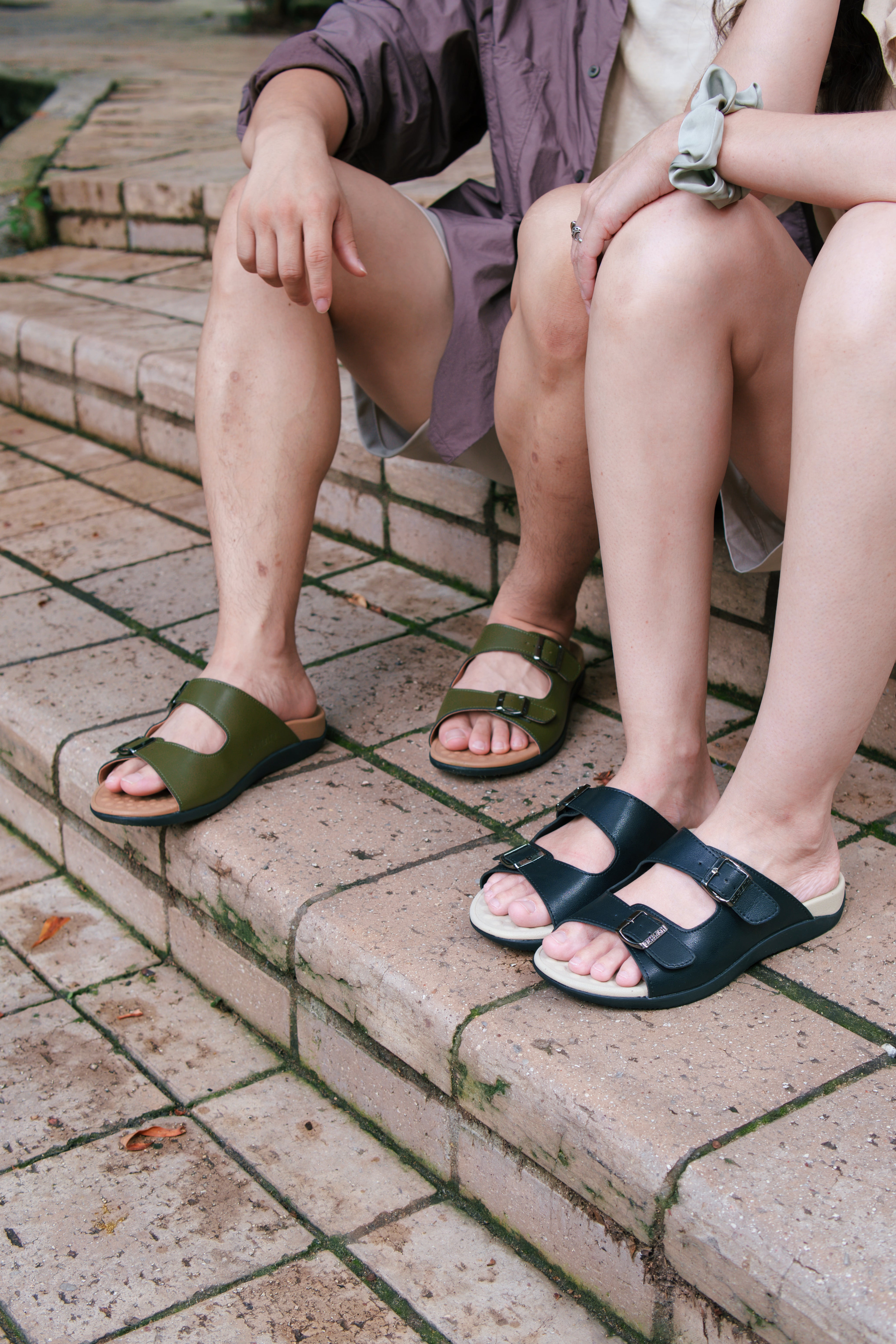
4. Inadequate footwear: Flat, unsupportive footwear with no arch support or shock absorption — a major factor in Malaysia where slippers and flat sandals are culturally ubiquitous.
5. Sudden increase in activity: Starting a new walking programme or standing job without adequate conditioning.
6. Age-related fat pad atrophy: The heel fat pad naturally thins with age, reducing shock-absorbing capacity.
Who Gets Plantar Fasciitis?
Risk factors include BMI over 25, age 40-60, female sex, occupations requiring prolonged standing, running sports, and flat feet. Among Malaysians, the combination of flat foot morphology, widespread flat footwear, and labour-intensive occupations creates a particularly high-risk population.
Frequently Asked Questions
Is plantar fasciitis the same as a heel spur?
Not exactly. A heel spur is a calcium deposit on the calcaneus, often at the plantar fascia attachment site. Many people with plantar fasciitis develop heel spurs, but the spur itself is usually not the source of pain — the inflamed fascia is. Treating the plantar fasciitis typically relieves heel spur pain.
Can plantar fasciitis go away on its own?
Mild cases can resolve with rest, stretching, and improved footwear over 3-6 months. Without addressing the underlying biomechanical cause, plantar fasciitis frequently recurs.
Article reviewed by Dr. Angus Poh, Chiropractor, BP Chiro. Published by OZHealth by Trimax Healthcare Sdn Bhd.